

A kétféle szerelési rendszer közötti fő különbség az energiatermelési nyereségükben, a szerkezeti stabilitásukban és az üzemeltetési és karbantartási követelményeikben rejlik. A tető állapota, a projekt mérete és a bevételi követelmények alapján megfelelő rendszer kiválasztása elengedhetetlen az előnyök maximalizálása érdekében, és egyértelműen megkülönböztethetők azok a konkrét forgatókönyvek, amelyekre mindegyik alkalmas.
1. Olyan helyzetek, amikor az állítható rögzítőrendszerek az előnyben részesített választás: ahol a cél az energiatermelés maximalizálása és a befektetés gyors megtérülése
A legfontosabb előnye állítható rögzítőrendszerek előnye, hogy lehetővé teszik az optimális dőlésszög manuális beállítását a nap magasságának évszakos változásaihoz igazítva, ezáltal ellensúlyozva a téli és nyári napfény-eltérések okozta energiatermelési veszteséget. Ez az energiatermelés stabil, évi 3–8 százalékos növekedéséhez vezethet, és nagymértékben optimalizált forgatókönyvek esetén több mint 10 százalékos nyereség is elérhető. Alkalmasak kiváló minőségű napelemes projektekhez, amelyek magas megtérülést és rövid megtérülési időt kívánnak elérni.
Alkalmas alkalmazások elsősorban a következők: nagyméretű, összefüggő kereskedelmi és ipari tetőtéri napelemes telepítések; talajra telepített, központi napelemes erőművek; akadálytalan, nyitott vidéki tetők; és projektek kiváló napenergia-erőforrásokkal rendelkező régiókban, például Dél-Kínában és Északnyugat-Kínában. Az ilyen projektek jellemzői a megfelelő teherbírású tetők, a nyitott helyszínek, valamint a kényelmes üzemeltetés és karbantartás. Évente mindössze 2-4 egyszerű szögbeállítási művelettel hosszú távon növelhető az energiatermelés. Az időbeli kumulatív bevételnövekedés jelentős, teljes mértékben fedezi a minimális üzemeltetési és karbantartási költségeket, így rendkívül költséghatékonnyá teszik őket.
2. Forgatókönyvek, ahol fix zárójelek az előnyben részesített választás: ahol a stabilitás az elsődleges, nincs szükség karbantartásra, és a költségvetés korlátozott
A fix szerelésű rendszerek a biztonságot és a stabilitást helyezik előtérbe, nulla karbantartást igényelnek és alacsony költségűek; alkalmasak olyan fotovoltaikus projektekhez, amelyek nem támasztanak magas követelményeket az energiatermelési nyereséggel szemben, a tető biztonságát helyezik előtérbe, és a problémamentes működésre törekszenek.
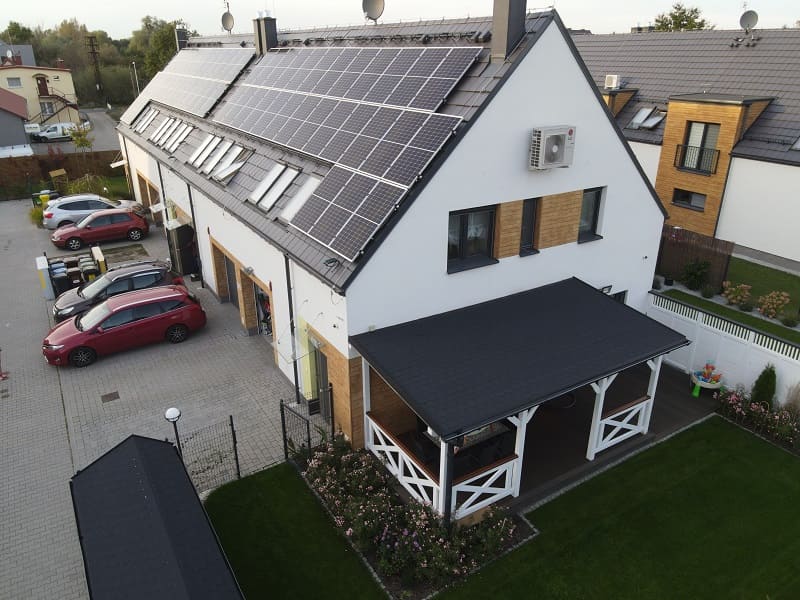
Fő alkalmazási forgatókönyvek: lakóépületek tetején városi és vidéki területeken, régebbi épületek tetején, könnyű, színes bevonatú acéllemez műhelyekben, valamint kis és közepes méretű, elosztott fotovoltaikus projektek korlátozott költségvetéssel. Az ilyen projektek jellemzően mérsékelt tetőteherbírással rendelkeznek, és kihívást jelentenek a későbbi üzemeltetés és karbantartás szempontjából. A fix rögzítőrendszerek 25 év stabil szerkezeti biztonságot és hibamentes működést kínálnak minimális energiatermelési veszteséggel, és nem igényelnek kézi karbantartást; ezért ezek a legmegbízhatóbb és problémamentes megoldást jelentik.
A fotovoltaikus rögzítőrendszerek kiválasztásának fő elve soha nem az volt, hogy „minél csúcskategóriásabb, annál jobb” vagy „minél nagyobb a teljesítmény, annál jobb”; inkább a rendszernek a projekt kontextusához való illesztéséről, valamint a biztonság, a költségek és a megtérülés közötti egyensúly megteremtéséről van szó. Nyílt, magas színvonalú telephelyek és nagyszabású kereskedelmi projektek esetén az állítható rögzítőrendszereket kell előnyben részesíteni a teljesítmény növelése és a megtérülés fokozása érdekében; régebbi tetők és kisméretű lakóépületek esetén a fix rögzítőrendszereket kell előnyben részesíteni a stabilitás biztosítása és a költségek csökkentése érdekében.
Fotovoltaikus rögzítőrendszereink teljes kínálata – mind a fix, mind az állítható modellek – a nemzeti szabványoknak és a szabványosított korróziógátló eljárásoknak megfelelő, új alapanyagokat használ. A professzionális mechanikai szimulációnak és ellenőrzésnek alávetett rendszerek megfelelnek a szerkezeti biztonsági szabványoknak, és széleskörű kompatibilitást kínálnak. Testre szabhatjuk... egyedi szerelési megoldások az ügyfél tetőtípusa, a helyi éghajlati szélterhelés, a projekt költségvetése és a bevételi igények alapján, miközben hivatalos garanciát biztosít a teljes folyamat során a fotovoltaikus erőművek hosszú távú, stabil működésének és hatékony bevételszerzésének biztosítása érdekében.
Add : 606, No. 12, Huasheng Road, Huli District, Xiamen,China
WhatsApp : +86153 9592 2968
Email : info@powerack.com



 Magyar


